
World Architecture Day: October 5
This World Architecture Day, Whanganui architect Duncan Sinclair is inviting you to pause and consider how design shapes the world around you, and how it can quietly make everyday life better.
“It’s a paradox that good design often goes unnoticed,” says the founder of Black Pine Architects. “When things are well designed, they just feel right. When something doesn’t work, you notice straight away.”
To think about what that means for a place like Whanganui, Sinclair finds it useful to consider four “scales of influence”, moving from the wider region down to the room you’re standing in.
The natural starting point is Te Awa Tupua. The river and its catchment tie together the region’s towns, forests, farms and marae, and Sinclair sees design at this scale as working with nature rather than against it.
“It’s hard to contain nature, so you treat her as a co-designer and give space to do her thing,” he says.
The built environment can then fit into that picture. Roads can go where they won’t keep washing away, runoff can be guided so it protects the water and soil that feeds the region. It’s all interconnected.
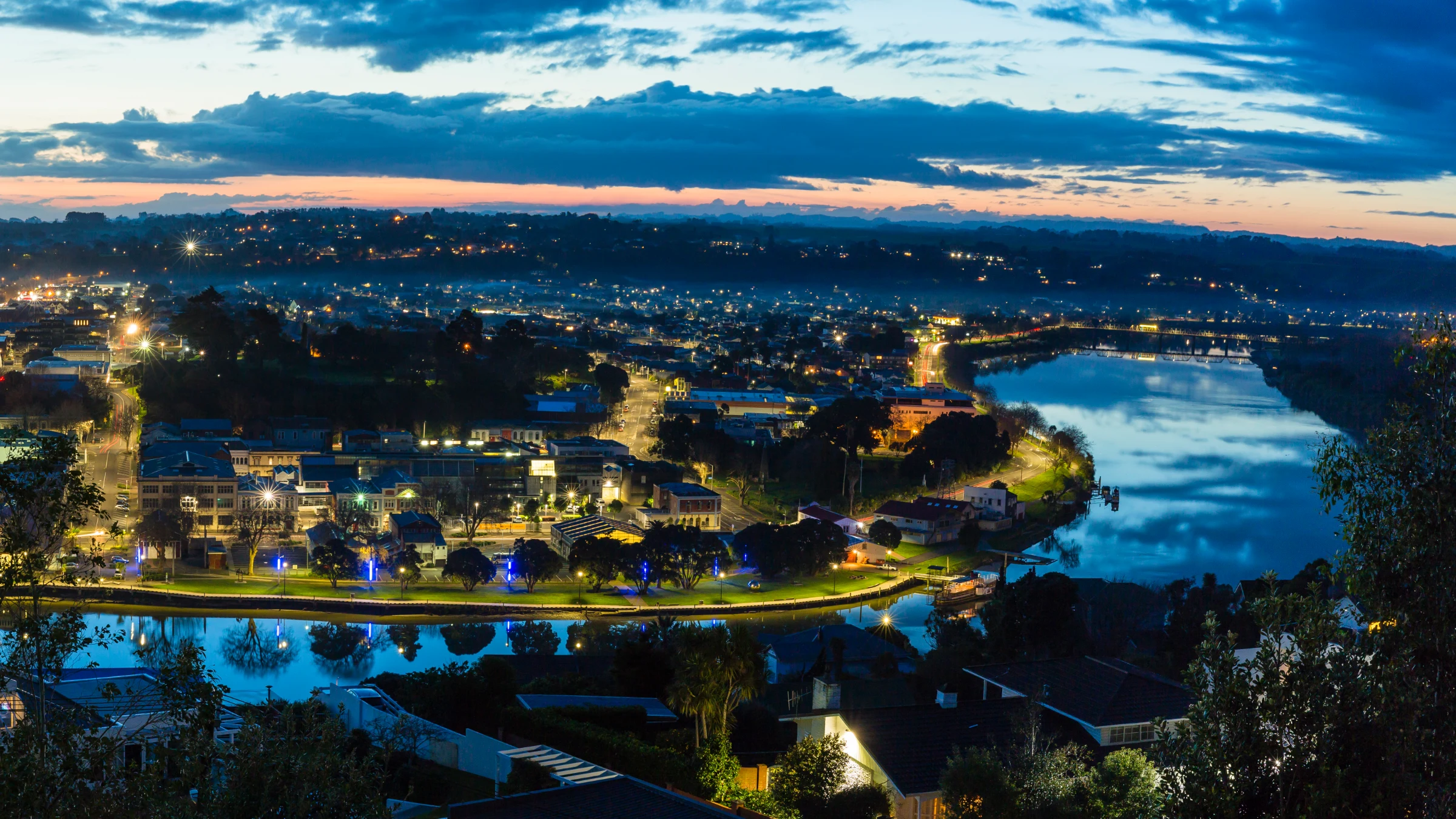
At the town scale, Whanganui already has plenty going for it: a manageable size, a beautiful natural setting, a heritage main street and institutions like the Sarjeant Gallery. The opportunity, Sinclair says, is ensuring infrastructure design supports those assets, from housing density to public transport, and keeps the centre vibrant and easy to reach.
Streets and neighbourhoods are the next level. This, he suggests, is where daily life unfolds because it is where kids walk to school, people head to work and neighbours bump into each other.
“A street that works for a child on a scooter or an older person crossing the road tends to work better for everyone. Details such as trees, slower traffic, safe footpaths and places to sit can have an outsized effect on health and a sense of belonging.”
Then there are the buildings themselves. Many New Zealand homes are still cold, damp and costly to heat, but Sinclair points out that it doesn’t have to be that way. Fresh air, daylight, energy efficiency and healthy materials are all well understood.
“The next question is how we go beyond that, to create buildings that give back more than they take.”
What ties it all together is the way each scale supports the others.
“A warm house on a hostile street is only half a win,” he says. “A great street in a town that sprawls loses its life. Good design joins them up.”
Black Pine Architects has an Open Day on 18 October 2026 as part of the Festival of Design Aotearoa. Entry is free.